LnRiLWZpZWxke21hcmdpbi1ib3R0b206MC43NmVtfS50Yi1maWVsZC0tbGVmdHt0ZXh0LWFsaWduOmxlZnR9LnRiLWZpZWxkLS1jZW50ZXJ7dGV4dC1hbGlnbjpjZW50ZXJ9LnRiLWZpZWxkLS1yaWdodHt0ZXh0LWFsaWduOnJpZ2h0fS50Yi1maWVsZF9fc2t5cGVfcHJldmlld3twYWRkaW5nOjEwcHggMjBweDtib3JkZXItcmFkaXVzOjNweDtjb2xvcjojZmZmO2JhY2tncm91bmQ6IzAwYWZlZTtkaXNwbGF5OmlubGluZS1ibG9ja311bC5nbGlkZV9fc2xpZGVze21hcmdpbjowfQ==
LnRiLWhlYWRpbmcuaGFzLWJhY2tncm91bmR7cGFkZGluZzowfQ==
LnRiLWZpZWxkW2RhdGEtdG9vbHNldC1ibG9ja3MtZmllbGQ9IjNmYWIyYTI3MDk3YjQ0YzY4NzBlOWRjNjNlYWNjMTQ2Il0geyBmb250LXNpemU6IDIwcHg7dGV4dC1hbGlnbjogY2VudGVyO2NvbG9yOiByZ2JhKCAyNTUsIDI1NSwgMjU1LCAxICk7YmFja2dyb3VuZC1jb2xvcjogcmdiYSggNDcsIDE3NiwgMTcsIDEgKTtib3JkZXItcmFkaXVzOiAxMHB4O3BhZGRpbmc6IDEwcHggMHB4IDEwcHggMHB4O2JvcmRlcjogMXB4IHNvbGlkIHJnYmEoIDAsIDAsIDAsIDEgKTsgfSAgLnRiLWZpZWxkW2RhdGEtdG9vbHNldC1ibG9ja3MtZmllbGQ9IjNmYWIyYTI3MDk3YjQ0YzY4NzBlOWRjNjNlYWNjMTQ2Il0gYSB7IGNvbG9yOiByZ2JhKCAyNTUsIDI1NSwgMjU1LCAxICk7dGV4dC1kZWNvcmF0aW9uOiBub25lOyB9ICAudGItZmllbGRbZGF0YS10b29sc2V0LWJsb2Nrcy1maWVsZD0iNDVmZTE3NGJiYWEwYTlkNzc1OTNjMWUzZmRiNzc5NmMiXSBhIHsgdGV4dC1kZWNvcmF0aW9uOiBub25lOyB9ICBoMy50Yi1oZWFkaW5nW2RhdGEtdG9vbHNldC1ibG9ja3MtaGVhZGluZz0iMzFhNTE0NTdlYjVhZGQ1MTYzNzgyZTk1MWFmMjE4YmMiXSBhICB7IHRleHQtZGVjb3JhdGlvbjogbm9uZTsgfSAudGItZmllbGRbZGF0YS10b29sc2V0LWJsb2Nrcy1maWVsZD0iZjgyN2U5Mjg3MTAzMTBkYzRiNjhhYzBjMjNjNjNmM2MiXSB7IGZvbnQtc2l6ZTogMjBweDt0ZXh0LWFsaWduOiBjZW50ZXI7Y29sb3I6IHJnYmEoIDI1NSwgMjU1LCAyNTUsIDEgKTtiYWNrZ3JvdW5kLWNvbG9yOiByZ2JhKCA0NywgMTc2LCAxNywgMSApO2JvcmRlci1yYWRpdXM6IDEwcHg7cGFkZGluZzogMTBweCAwcHggMTBweCAwcHg7bWFyZ2luLXRvcDogMTBweDtib3JkZXI6IDFweCBzb2xpZCByZ2JhKCAwLCAwLCAwLCAxICk7IH0gIC50Yi1maWVsZFtkYXRhLXRvb2xzZXQtYmxvY2tzLWZpZWxkPSJmODI3ZTkyODcxMDMxMGRjNGI2OGFjMGMyM2M2M2YzYyJdIGEgeyBjb2xvcjogcmdiYSggMjU1LCAyNTUsIDI1NSwgMSApO3RleHQtZGVjb3JhdGlvbjogbm9uZTsgfSAudGItaW1hZ2V7cG9zaXRpb246cmVsYXRpdmU7dHJhbnNpdGlvbjp0cmFuc2Zvcm0gMC4yNXMgZWFzZX0ud3AtYmxvY2staW1hZ2UgLnRiLWltYWdlLmFsaWduY2VudGVye21hcmdpbi1sZWZ0OmF1dG87bWFyZ2luLXJpZ2h0OmF1dG99LnRiLWltYWdlIGltZ3ttYXgtd2lkdGg6MTAwJTtoZWlnaHQ6YXV0bzt3aWR0aDphdXRvO3RyYW5zaXRpb246dHJhbnNmb3JtIDAuMjVzIGVhc2V9LnRiLWltYWdlIC50Yi1pbWFnZS1jYXB0aW9uLWZpdC10by1pbWFnZXtkaXNwbGF5OnRhYmxlfS50Yi1pbWFnZSAudGItaW1hZ2UtY2FwdGlvbi1maXQtdG8taW1hZ2UgLnRiLWltYWdlLWNhcHRpb257ZGlzcGxheTp0YWJsZS1jYXB0aW9uO2NhcHRpb24tc2lkZTpib3R0b219IC53cC1ibG9jay1pbWFnZS50Yi1pbWFnZVtkYXRhLXRvb2xzZXQtYmxvY2tzLWltYWdlPSI2MzEzZjhjN2ViZjFmNzllOTkzMjZkMmIwZmE5NzQ0YyJdIHsgbWF4LXdpZHRoOiAxMDAlOyB9IEBtZWRpYSBvbmx5IHNjcmVlbiBhbmQgKG1heC13aWR0aDogNzgxcHgpIHsgICAgIC50Yi1pbWFnZXtwb3NpdGlvbjpyZWxhdGl2ZTt0cmFuc2l0aW9uOnRyYW5zZm9ybSAwLjI1cyBlYXNlfS53cC1ibG9jay1pbWFnZSAudGItaW1hZ2UuYWxpZ25jZW50ZXJ7bWFyZ2luLWxlZnQ6YXV0bzttYXJnaW4tcmlnaHQ6YXV0b30udGItaW1hZ2UgaW1ne21heC13aWR0aDoxMDAlO2hlaWdodDphdXRvO3dpZHRoOmF1dG87dHJhbnNpdGlvbjp0cmFuc2Zvcm0gMC4yNXMgZWFzZX0udGItaW1hZ2UgLnRiLWltYWdlLWNhcHRpb24tZml0LXRvLWltYWdle2Rpc3BsYXk6dGFibGV9LnRiLWltYWdlIC50Yi1pbWFnZS1jYXB0aW9uLWZpdC10by1pbWFnZSAudGItaW1hZ2UtY2FwdGlvbntkaXNwbGF5OnRhYmxlLWNhcHRpb247Y2FwdGlvbi1zaWRlOmJvdHRvbX0gfSBAbWVkaWEgb25seSBzY3JlZW4gYW5kIChtYXgtd2lkdGg6IDU5OXB4KSB7ICAgICAudGItaW1hZ2V7cG9zaXRpb246cmVsYXRpdmU7dHJhbnNpdGlvbjp0cmFuc2Zvcm0gMC4yNXMgZWFzZX0ud3AtYmxvY2staW1hZ2UgLnRiLWltYWdlLmFsaWduY2VudGVye21hcmdpbi1sZWZ0OmF1dG87bWFyZ2luLXJpZ2h0OmF1dG99LnRiLWltYWdlIGltZ3ttYXgtd2lkdGg6MTAwJTtoZWlnaHQ6YXV0bzt3aWR0aDphdXRvO3RyYW5zaXRpb246dHJhbnNmb3JtIDAuMjVzIGVhc2V9LnRiLWltYWdlIC50Yi1pbWFnZS1jYXB0aW9uLWZpdC10by1pbWFnZXtkaXNwbGF5OnRhYmxlfS50Yi1pbWFnZSAudGItaW1hZ2UtY2FwdGlvbi1maXQtdG8taW1hZ2UgLnRiLWltYWdlLWNhcHRpb257ZGlzcGxheTp0YWJsZS1jYXB0aW9uO2NhcHRpb24tc2lkZTpib3R0b219IH0g
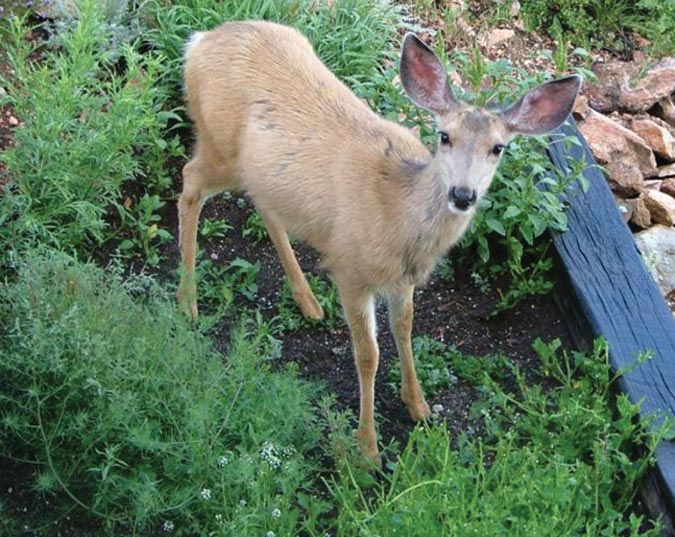
Deer Resistant Plants Deer, if hungry enough, can and will eat any of these plants, but they are low on their shopping list. Generally speaking, deer avoid strong-smelling plants, like mint and lamium, and plants that are either poisonous or have silver, prickly or fuzzy leaves. Deer browsing varies from region to region, neighborhood to neighborhood, house to house. Only you can determine through observation and trial and error what works for you. Hollandia has compiled a list based on a state study (Limited Deer Browse Damage to Landscape Plants) and customer feedback. Plants with an asterisk (*) are the most conservative selections. If browsing is heavy, stick to them and consider installing a deer fence and using deer repellents so options are not so limited. Repellents work well, especially if rotated often so deer do not get used to the scent or taste of them.
Annuals
Ageratum *Alyssum Cleome Datura (Angel’s Trumpet) *Dusty Miller (Senecio) Flowering Vinca (Catharanthus) Marigolds (Tagetes) Nicotiana Lantana Rosemary Salvia (Sage) Bulbs
*Allium Colchicum *Daffodils Glory of Snow (Chionodoxa) Leucojum Scilla *Snowdrops (Galanthus) Star of Bethlehem (Ornithogalum) Perennials
*Most ornamental Grasses *Ferns *Bamboo Acanthus *Achillea (Yarrow) Aconitum (Monkshood) *Ajuga (Bugleweed) *Agastache Alchemilla mollis (Lady’s Mantle) Alyssum montanum Amsonia (Blue Star) Angelica Aquilegia (Columbine) *Artemisia Asarum (Wild Ginger) *Aurinia s. (Basket of Gold) Brunnera *Calamintha *Cerastium (Snow-in-Summer) *Convallaria (Lily of the Valley) Coreopsis verticillata (Tickseed) Crocosmia Dicentra (Bleeding Heart) Dictamnus albus (Gas Plant) *Digitalis (Foxglove) Echinops (Thistle) Epimedium (Barrenwort) Eryngium (Sea Holly) *Euphorbia (Spurge) Foeniculum (Fennel) *Geranium macrorhizum (Cransebill) *Helleborus (Lenten Rose) Kirengeshoma Kniphofia (Red-hot Poker Plant) *Lamium (Dead Nettle) *Lavandula (Lavender) Limonium (Statice) *Lychnis (Campion) *Melissia (Lemon Balm) *Mentha (Mint) Monarda (Bee Balm) Myosotis (Forget-me-nots) *Nepeta (Catmint) *Oenothera (Evening Primrose/ Sundrops) *Origanum (Oregano) *Pachysandra Paeonia (Peony) *Perovskia (Russian Sage) *Podophyllum (Mayapple) Polemonium (Jacob’s Ladder) *Rheum (Rhubarb) *Ruta graveolens (Rue) *Salvia (Sage) *Santolina (Lavender Cotton) Saponaria (Soapwort) *Stachys (Lamb’s Ear) *Teucrium (Germander) Thymus (Thyme) *Tiarella (Foamflower) Verbascum Veronica spicata (Speedwell) *Vinca (Periwinkle) Shrubs & Trees
Amelanchier (Serviceberry) Berberis (Barberry) *Buddleia (Butterfly Bush) *Buxus (Boxwood) Calluna (Heather) *Caryopteris (Blue Mist Shrub) Chaenomeles (Flowering Quince) Clethra (Sweet Pepper Bush) Cotinus (Smoke Bush) Cotoneaster Enkianthus Forsythia Itea Kerria Leucothoe *Picea (Spruce) *Pieris (Andromedia) Myrica (Bayberry) Pinus (Mugo only) Salix (Willow) Spirea Syringa (Lilac/Use late bloomers) Weigela Vitex (Chaste Tree)